
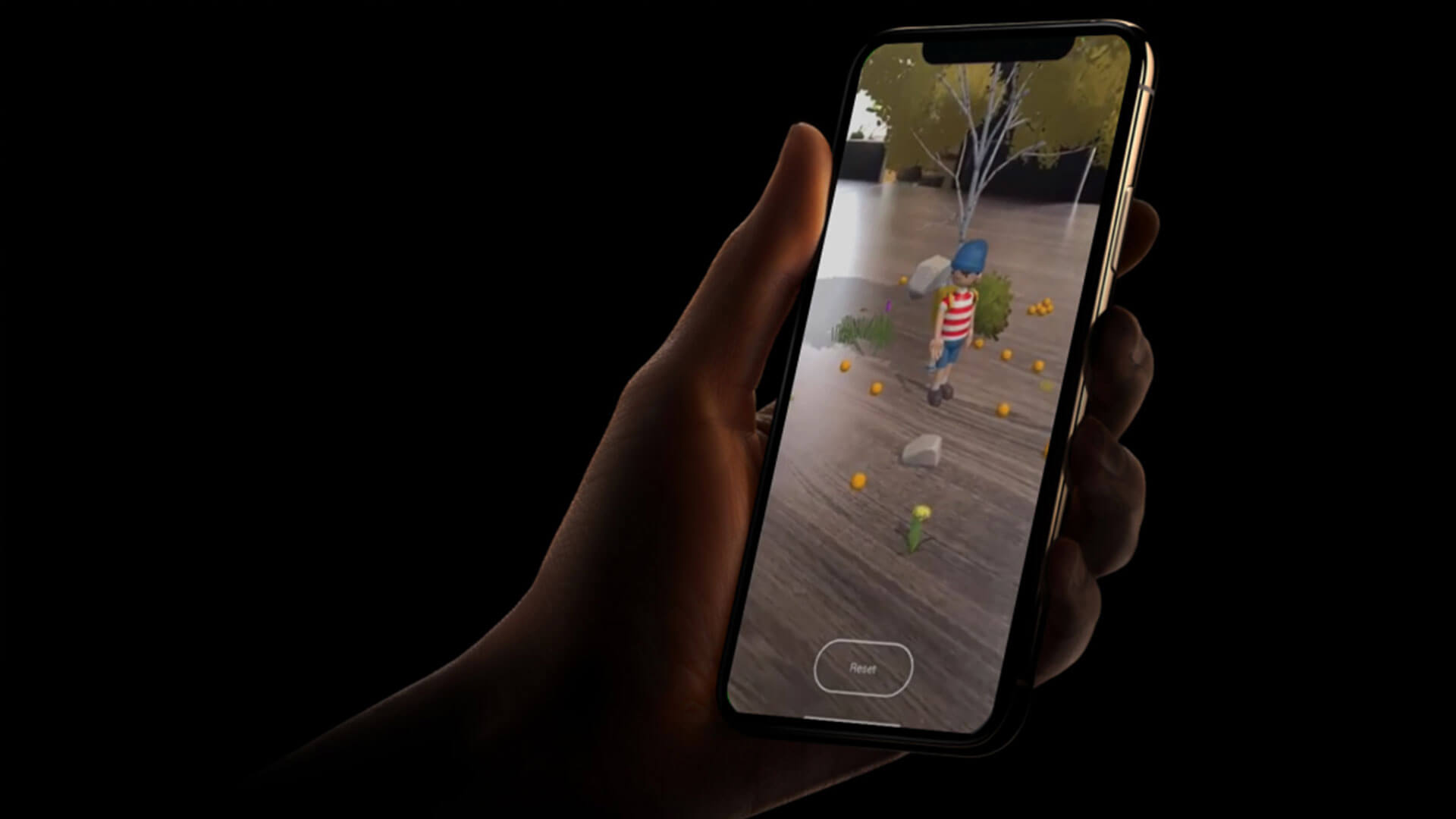
ChatGPT cannot create 3D models directly because it’s a language-based AI that processes and generates text, not visual geometry or 3D files. It lacks the capability to produce actual 3D meshes, textures, or exportable formats like OBJ or FBX. However, ChatGPT can assist your 3D workflow by generating code, explaining concepts, troubleshooting errors, and suggesting approaches to help you work more efficiently with proper 3D modelling software.
Can ChatGPT actually create 3D models?
ChatGPT cannot generate 3D models because it’s fundamentally a text-processing language model, not a visual creation tool. It doesn’t have the architecture to produce geometric data, mesh structures, or any visual output whatsoever. When you interact with ChatGPT, you’re engaging with a system designed to understand and generate language, not to render polygons, vertices, or spatial coordinates.
The confusion often arises because ChatGPT can discuss 3D modelling in sophisticated detail. It can explain topology, describe UV mapping workflows, or discuss shader networks. But discussing something and creating it are entirely different capabilities. ChatGPT cannot output .obj files, .fbx formats, or any other 3D file type because it simply doesn’t process visual information.
What ChatGPT can do is generate code that instructs 3D software to create models. For example, it can write Python scripts for Blender’s API that programmatically generate shapes, or provide instructions for parametric modelling in tools like Grasshopper. This is fundamentally different from creating the model itself. You’re still relying on actual 3D modelling software to execute the instructions and produce the visual output.
What can ChatGPT do to help with 3D modelling work?
ChatGPT serves as a valuable workflow assistant and knowledge resource for 3D artists and designers. It can generate Python scripts for Blender, write MEL commands for Maya, or create parametric definitions for procedural modelling. It excels at explaining complex concepts like normal mapping, subsurface scattering, or topology optimization in clear, accessible language tailored to your experience level.
When you encounter errors in your 3D workflow, ChatGPT can help troubleshoot by analysing error messages and suggesting solutions. It can explain why certain approaches might cause shading issues or performance problems. It can recommend efficient workflows for specific tasks, compare different modelling techniques, and help you understand the technical reasoning behind industry-standard practices.
For teams working on immersive experiences, ChatGPT can help document workflows, create technical specifications, or generate placeholder content descriptions. It can assist with naming conventions, file organization strategies, and pipeline optimization suggestions. This makes it particularly useful during project planning phases when you’re establishing technical foundations.
The real value lies in education and problem-solving support. If you’re learning a new technique or troubleshooting a complex issue, ChatGPT can provide immediate, contextual guidance without requiring you to search through scattered forum posts or documentation. It can adapt explanations to your specific software, version, and use case.
What AI tools can actually generate 3D models from text?
Several specialized AI systems can generate actual 3D geometry from text descriptions, representing a fundamentally different technology than ChatGPT. Tools like Point-E and Shap-E from OpenAI create point clouds and mesh structures from natural language prompts. DreamFusion and related research projects use diffusion models to generate 3D assets by optimizing neural representations based on text descriptions.
Commercial platforms have emerged that make this technology accessible. Systems like Luma AI, Kaedim, and various text-to-3D services allow users to describe objects and receive actual 3D models. These tools process your text input through specialized neural networks trained specifically on 3D data, understanding spatial relationships and geometric properties in ways language models cannot.
The quality and usability of AI-generated 3D content varies considerably. Current text-to-3D systems typically produce relatively simple geometry suitable for background assets, concept exploration, or rapid prototyping. They struggle with precise control, specific stylistic requirements, and the technical cleanliness needed for professional production pipelines. Topology is often messy, requiring significant cleanup before use in animation or real-time applications.
These tools work best for rapid ideation and placeholder content. If you need to visualize a concept quickly or generate multiple variations for exploration, text-to-3D AI can accelerate early-stage development. However, the output usually requires refinement by skilled 3D artists before it meets professional standards for immersive experiences, brand activations, or client-facing projects.
How does AI-generated 3D content compare to professional 3D modelling?
AI-generated 3D assets differ significantly from professionally crafted models in quality, control, and technical suitability. Professional 3D modelling provides precise control over topology, edge flow, UV layouts, and technical specifications. Artists can optimize geometry for specific purposes, whether that’s real-time rendering, animation deformation, or photorealistic close-ups. AI-generated content typically lacks this precision and optimization.
The detail level and artistic refinement of human-created models remain substantially superior. Professional artists understand material properties, lighting behavior, and how models will perform in production environments. They create clean topology that deforms properly, UV maps that minimize distortion, and geometry that renders efficiently. AI systems generate functional shapes but rarely match the technical quality or artistic nuance of experienced modellers.
For immersive experiences and brand activations, the difference becomes critical. When creating installations for clients like major brands or educational institutions, every detail matters. Models must perform flawlessly under various lighting conditions, render efficiently in real-time environments, and maintain visual quality at different scales. Professional 3D modelling ensures these requirements are met with certainty.
AI-generated content serves specific purposes well. It’s valuable for rapid concept exploration, generating placeholder assets during development, or creating background elements that won’t receive close scrutiny. However, hero assets, interactive elements, and anything representing brand identity still requires the expertise, artistic judgment, and technical precision that human 3D artists provide.
What’s the difference between ChatGPT and actual 3D modelling software?
ChatGPT and dedicated 3D modelling software represent fundamentally different technologies with distinct purposes. Tools like Blender, Cinema 4D, Maya, and Unreal Engine are specialized applications designed to create, manipulate, and render three-dimensional geometry. They provide viewports, modelling tools, rendering engines, and export capabilities for actual 3D files that can be used in production.
These professional tools offer direct manipulation of vertices, edges, and polygons. They include sculpting brushes, procedural generators, physics simulations, and material systems. They output industry-standard file formats compatible with production pipelines, game engines, and rendering farms. ChatGPT, conversely, outputs only text and cannot directly manipulate or create visual content.
The relationship between ChatGPT and 3D software is complementary rather than competitive. ChatGPT can generate scripts that automate tasks within 3D software, explain how to use specific features, or help troubleshoot issues. But it cannot replace the software itself. You cannot create a 3D model for a client presentation, immersive installation, or brand experience using ChatGPT alone.
Professional 3D workflows require specialized tools because they demand real-time visual feedback, precise geometric control, and complex rendering capabilities. When we create immersive experiences, we rely on professional 3D software to ensure every element meets technical specifications and artistic standards. ChatGPT serves as a helpful assistant in this process, but the actual creation happens in purpose-built 3D applications.
Should you use AI tools for professional 3D projects?
AI tools have a place in professional 3D workflows as augmentation rather than replacement for traditional methods and human expertise. The decision depends on project complexity, quality requirements, client expectations, and the specific role each asset plays in the final experience. For hero assets, interactive elements, and brand-critical content, professional 3D modelling remains essential.
Consider AI assistance when you need rapid concept exploration, want to generate multiple variations quickly, or require placeholder content during development. AI can accelerate early-stage ideation and help visualize possibilities before committing resources to full production. It’s particularly useful for background elements, environmental fill, or assets that won’t receive close scrutiny.
However, immersive experiences demand a level of quality, technical precision, and artistic coherence that current AI tools cannot consistently deliver. When creating installations that engage multiple senses, tell compelling stories, or represent major brands, every detail must be intentional and flawlessly executed. This requires the judgment, creativity, and technical expertise of skilled 3D artists working with professional tools.
The most effective approach combines AI assistance with human expertise. Use AI tools to accelerate certain tasks, explore possibilities, or handle repetitive work. But rely on experienced 3D artists for creative direction, technical optimization, and final execution. This balanced approach maximizes efficiency while ensuring the quality and reliability that professional projects require.
Creating truly immersive experiences that engage audiences and deliver meaningful impact requires more than automated generation. It demands understanding of spatial design, storytelling, technical constraints, and how people interact with physical and digital environments. If you’re developing an immersive project that needs to genuinely connect with audiences, we’d be happy to discuss how professional 3D modelling and spatial design can bring your vision to life. Feel free to get in contact to explore what’s possible.